Our Mission
Pipeline
Our Focus
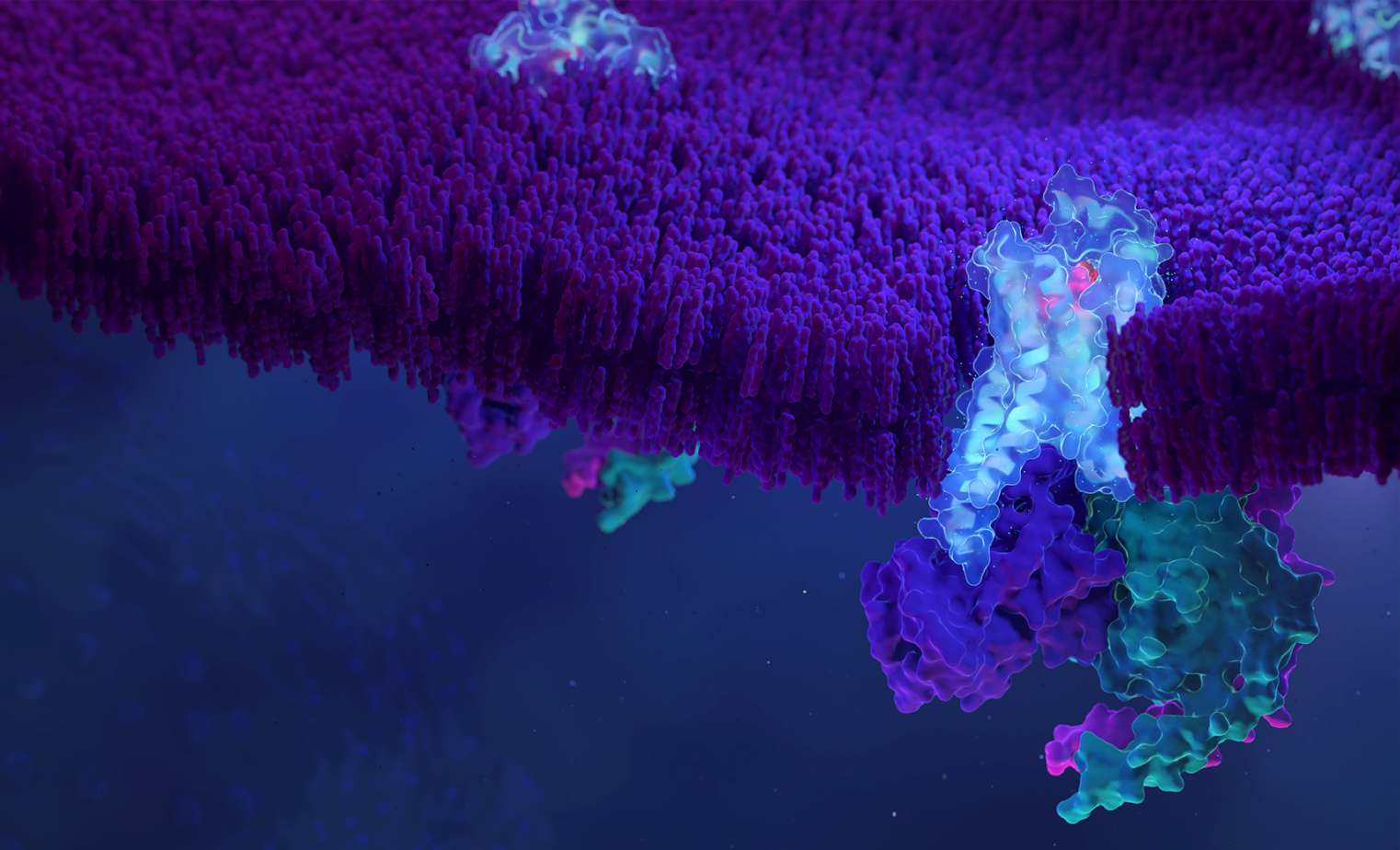
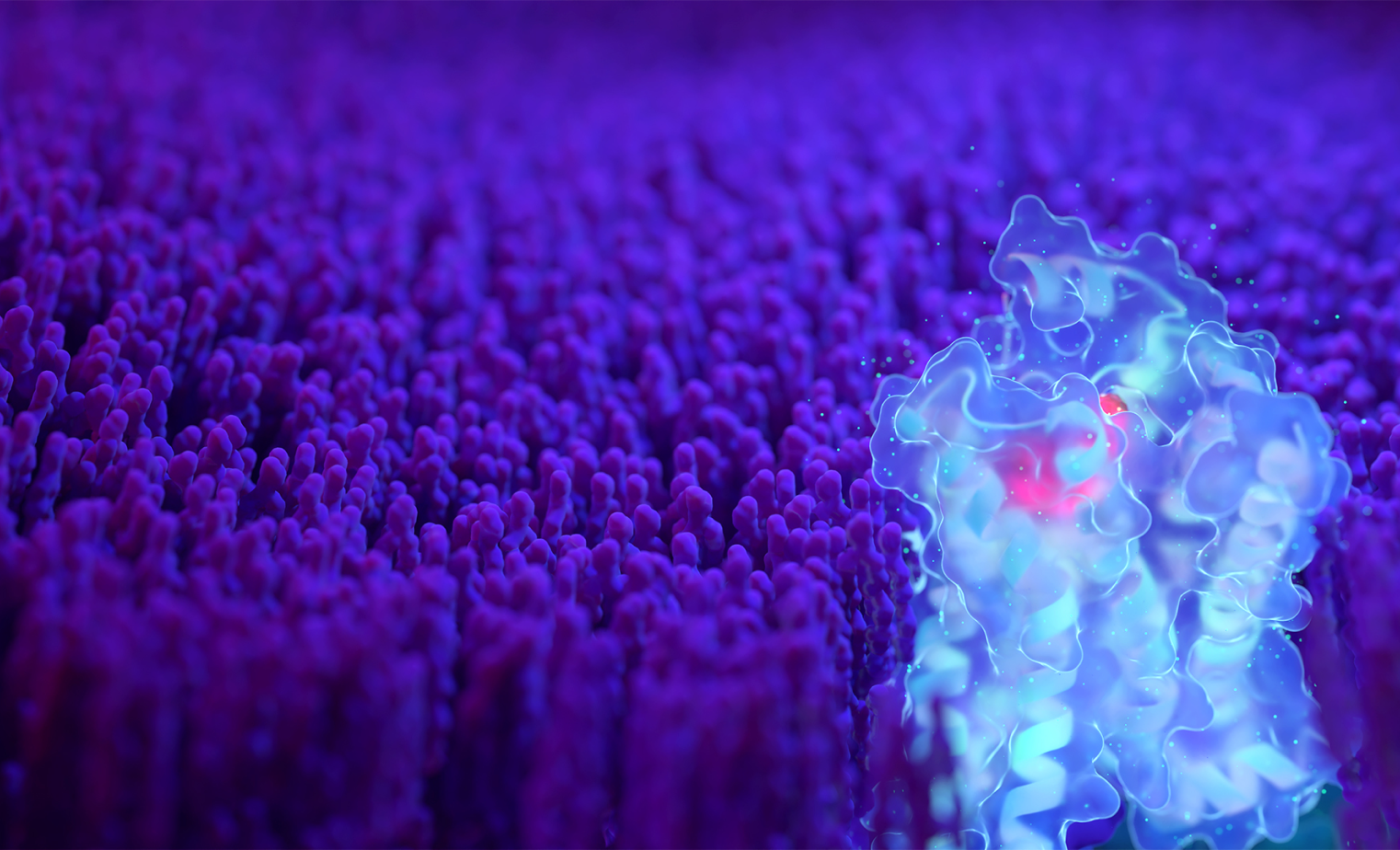
We are advancing a wholly owned portfolio of oral small molecule GPCR-targeted programs focused initially on treating patients with significant unmet needs in endocrinology, immunology and inflammation, and metabolic disease.
For each program, we utilize our Native Complex Platform® to discover a diverse portfolio of small molecules with mechanisms of action designed to have disease-modifying potential and with distinct chemical properties. We have prioritized programs that offer biomarker-driven strategies for early clinical readouts.
Pipeline
Scroll sideways to view more.
Wholly-Owned Programs
Development Status
Program / Target
Mode of Action
Therapeutic Area
Indications
Discovery
IND-enabling
Phase 1
Phase 2
SEP-479 (PTH1R)
Hypoparathyroidism
64%
SEP-631 (MRGPRX2)
Mast cell-driven diseases
75%
TSHR Program
Graves' disease
Thyroid eye disease
20%
PTH1R Program (Osteoporosis)
Osteoporosis
12%
Research Areas:
12%
Partnered Programs
Partner
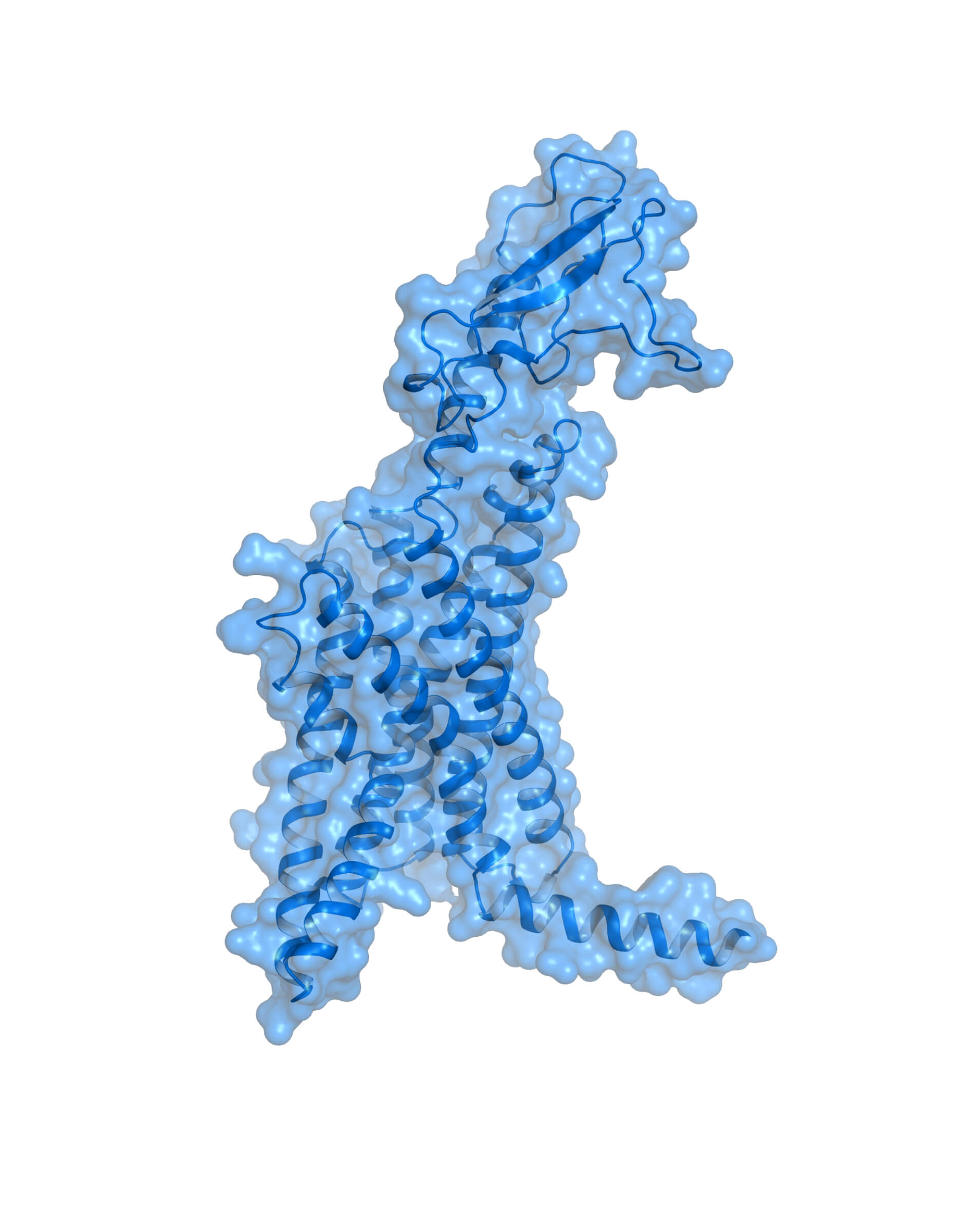

PTH1R = Parathyroid Hormone 1 Receptor
TSHR = Thyroid-Stimulating Hormone Receptor
MRGPRX2 = MAS-Related G Protein-Coupled Receptor X2
GLP-1R = Glucagon-Like Peptide 1 Receptor
GIPR = Gastric Inhibitory Polypeptide Receptor
GCGR = Glucagon Receptor
The Details
Programs
Additional Information
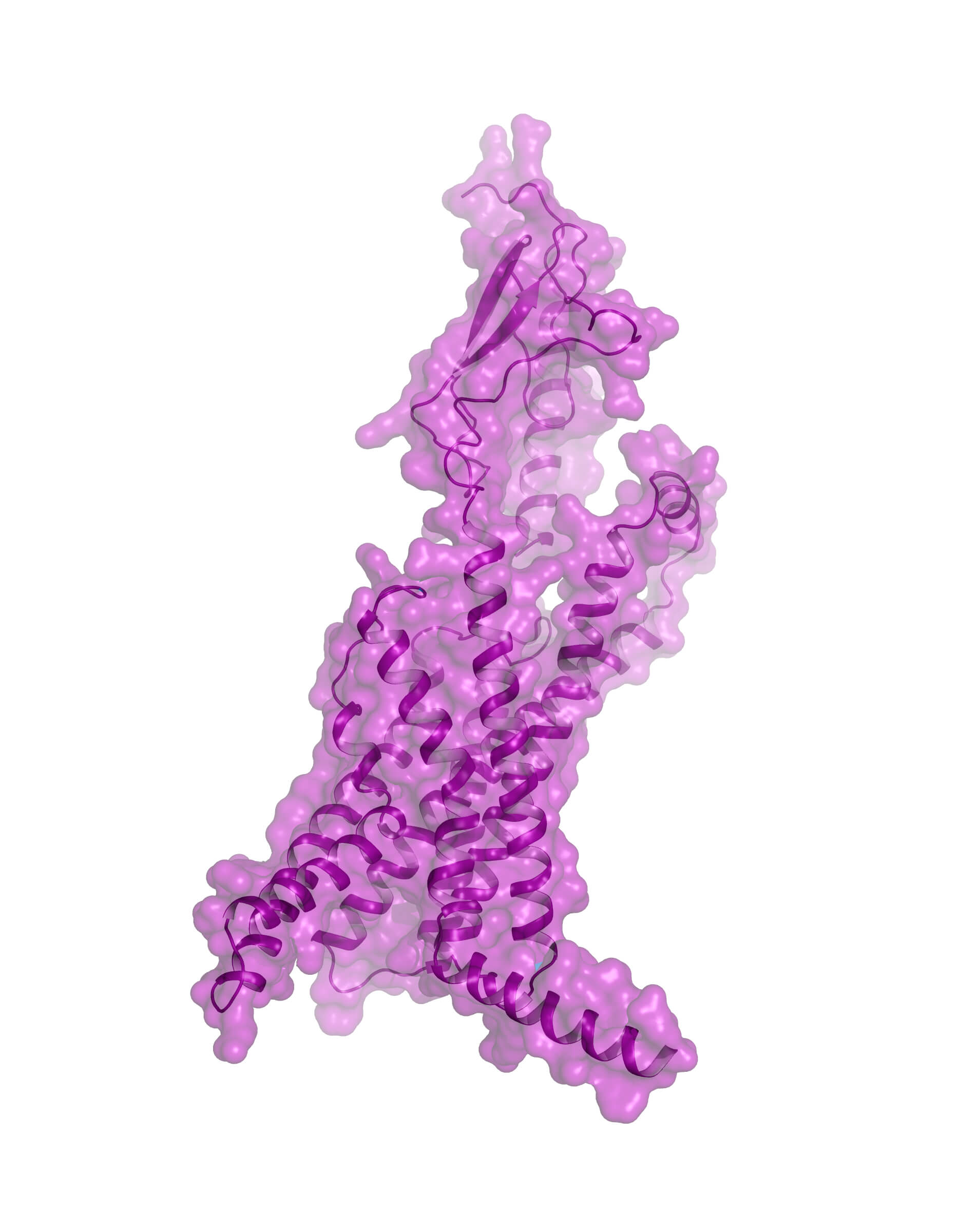
SEP-479 (PTH1R)
Oral small molecule agonist targeting PTH1R for the treatment of hypoparathyroidism that could offer a convenient, functional replacement for PTH for all hypoparathyroidism patients.
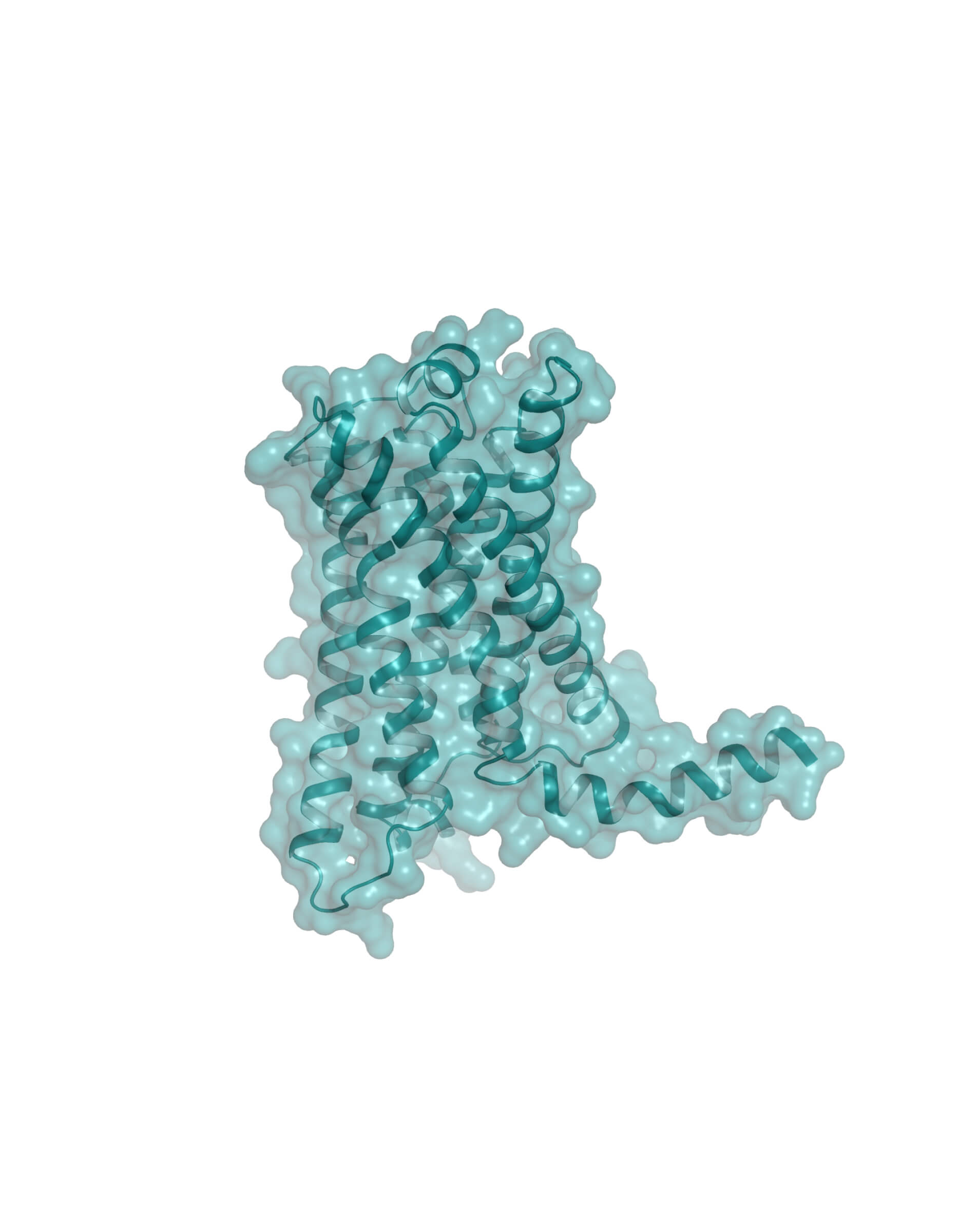
SEP-631 (MRGPRX2)
Oral small molecule negative allosteric modulator (NAM) that inhibits MRGPRX2 and could provide a differentiated treatment option for patients with mast cell-driven diseases.
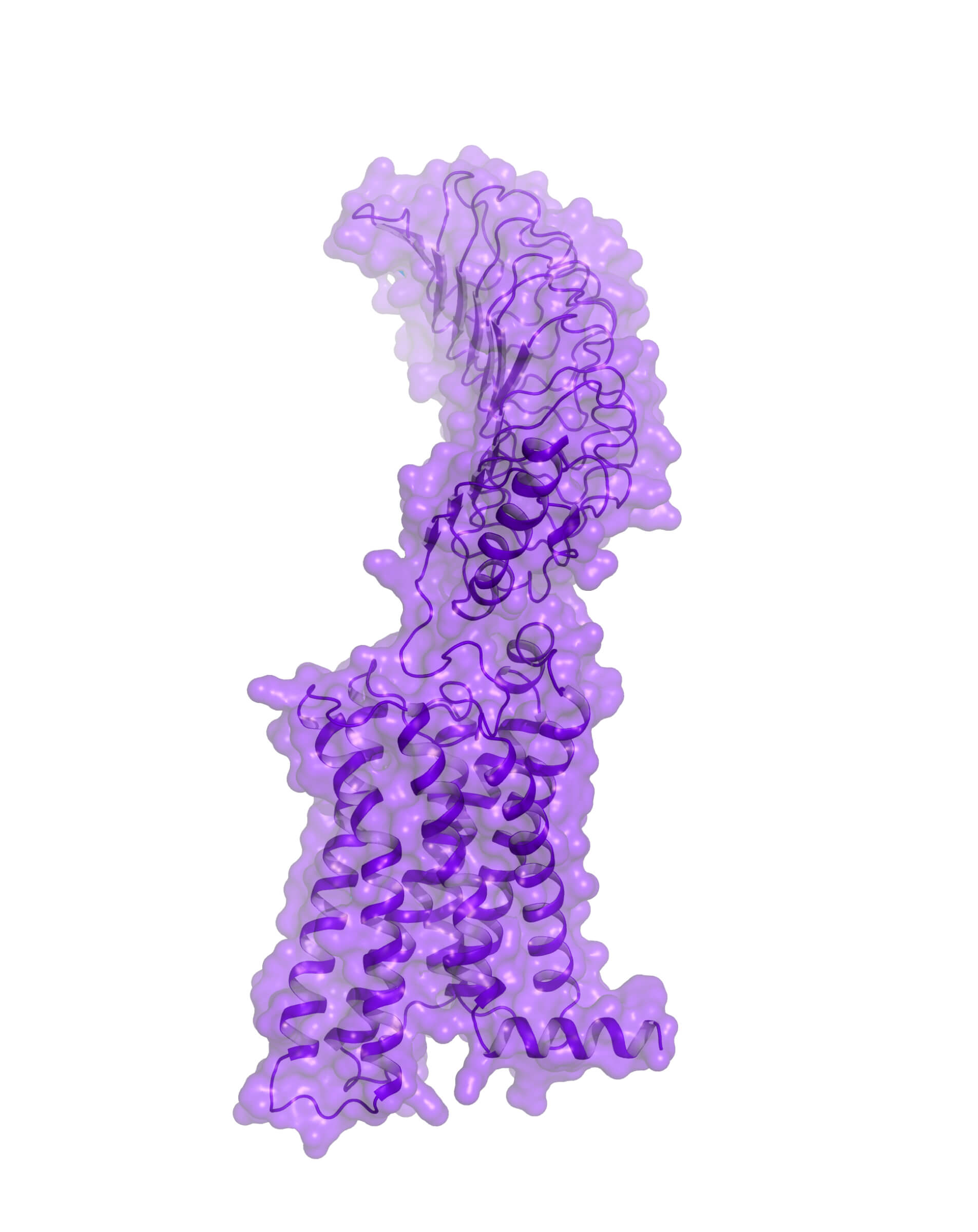
TSHR Program
Oral small molecule thyroid-stimulating hormone receptor (TSHR) NAM that could offer a novel disease-modifying treatment approach for both Graves’ Disease and Thyroid Eye Disease.
PTH1R Program (Osteoporosis)
Oral small molecule PTH1R agonist that could offer a novel approach to increasing bone density and improving bone strength for patients with osteoporosis.